

Nitrogen Reduction Assessment
Nutrient Pressures on Water Quality
The primary water quality issue of concern in Ireland is elevated concentrations of nutrients, i.e. nitrogen and phosphorus. Excess nutrients in waters leads to eutrophication when an overgrowth of algae causes unsatisfactory oxygen conditions, that in turn impacts on the health of our aquatic ecosystems. Nitrogen losses to transitional waters are of particular concern as these waters are sensitive to excess nitrogen and they are in the poorest ecological condition of all waterbody types.
Assessing Nitrogen Load Reductions
The EPA has assessed the nitrogen load reductions needed in major catchments to protect estuarine and coastal ecosystems and achieve Good Ecological Status. An initial assessment published in 2021, using data up to 2019, identified several Catchments of Concern in the south‑east where nitrogen loads discharging to sea were too high. An updated assessment incorporates more recent monitoring data up to 2024 and some improvements to the assessment methodology.
Progress and Remaining Challenges
This updated assessment report shows that some areas have achieved the required nitrogen reductions, and most catchments are now closer to their target than they were for the previous assessment which covered the period 2017-2019. However, the current results still fall short of the levels observed between 2008 and 2011, which remains the period when nitrogen levels were closest to meeting ecological targets over the past 35 years.
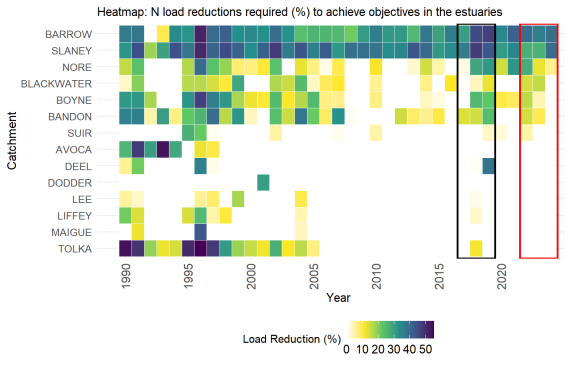
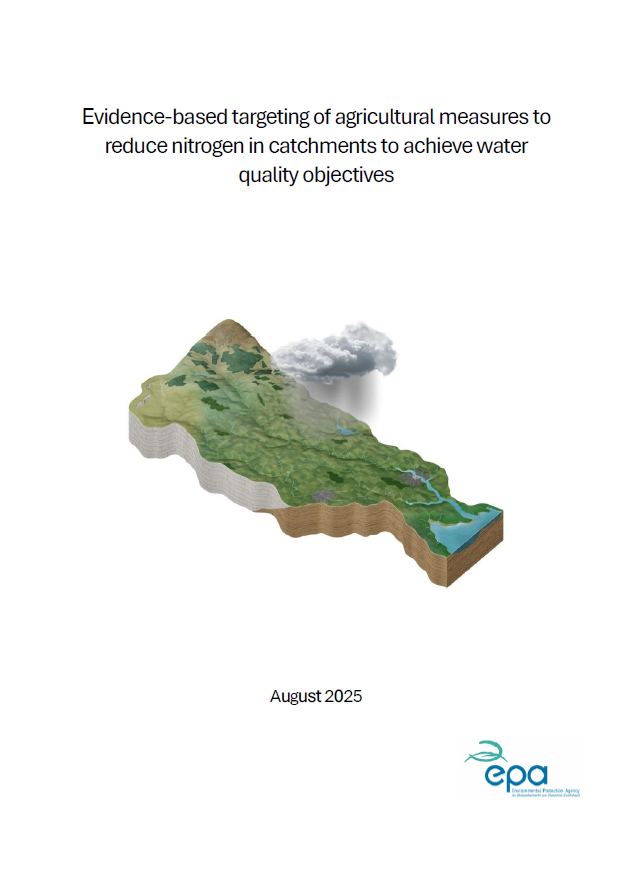
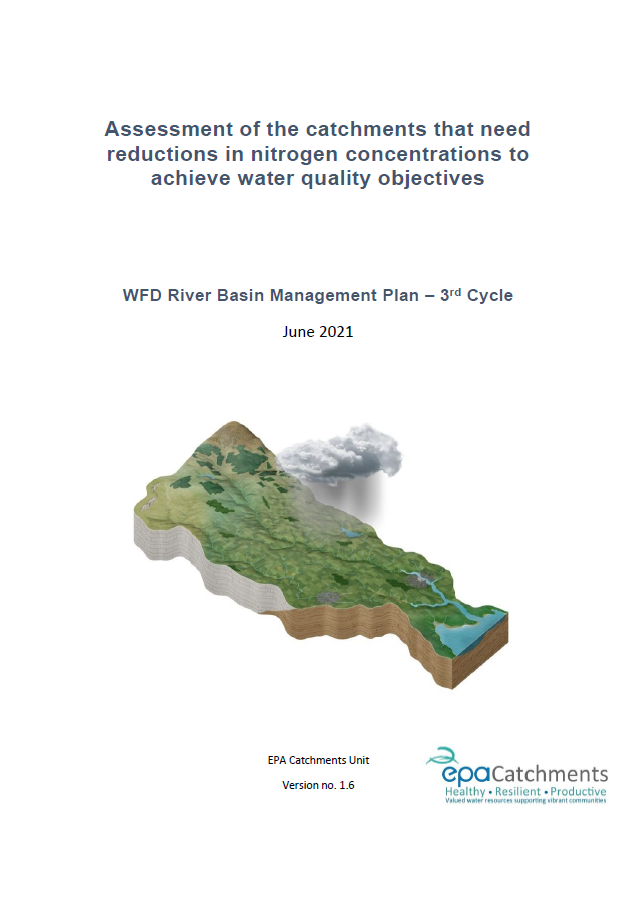
Nitrogen Reduction Assessment Reports
Who is involved?
Quite simply, everyone in Ireland has a role to play. This can be from something as simple as making sure you don’t pollute your local stream, or a local community working together to establish a Rivers Trust to enhance the rivers and lakes in their area, to a Government Department or Agency helping a Minister implement a new policy to help protect and enhance all our water bodies.
This website has been developed and is maintained by the Environmental Protection Agency, and is a collaboration between the Department of Housing, Planning and Local Government, the Environmental Protection Agency, and the Local Authority Waters Programme.

Local Authority Waters Programme
The Local Authority Waters Programme coordinates the efforts of local authorities and other public bodies in the implementation of the River Basin Management Plan, and supports local community and stakeholder involvement in managing our natural waters, for everyone’s benefit.
Environmental Protection Agency
The EPA is responsible for coordinating the monitoring, assessment and reporting on the status of our 4,842 water bodies, looking at trends and changes, determining which waterbodies are at risk and what could be causing this, and drafting environmental objectives for each.

Department of Housing, Local Government and Heritage
The Department is responsible for making sure that the right policies, regulations and resources are in place to implement the Water Framework Directive, and developing a River Basin Management Plan and Programme of Measures to protect and restore our waters.