‘Things must change’ – Citizen’s Assembly on Biodiversity Loss proposes over 150 recommendations
Wednesday 5 April 2023 – The Recommendations and Report of the Citizens’ Assembly on Biodiversity Loss – the first such national citizens’ […]
Read More
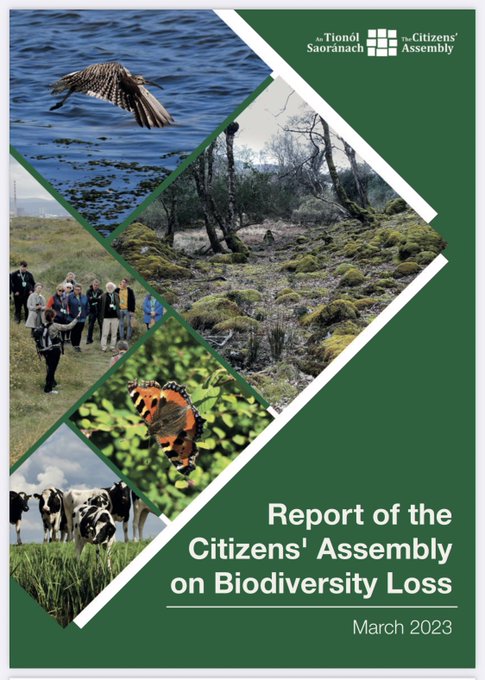
Wednesday 5 April 2023 – The Recommendations and Report of the Citizens’ Assembly on Biodiversity Loss – the first such national citizens’ […]
Read More
Alastair Driver, Director of Rewilding Britain, gives his views on the potential for rewilding in the UK, including natural water […]
Read More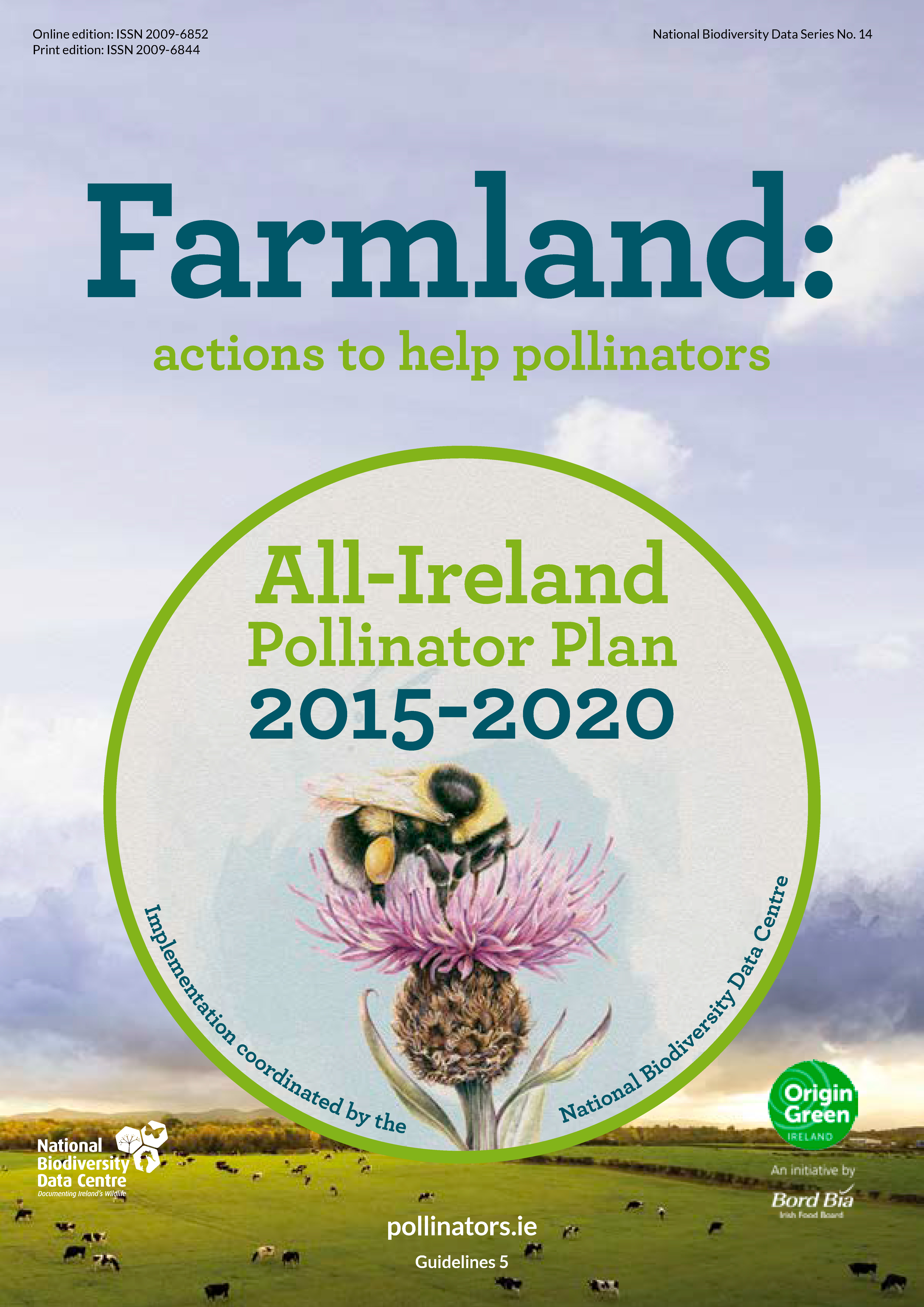
The All-Ireland Pollinator Plan’s ‘Farmland Guidelines: Actions to help Pollinators’, which offers evidence-based actions farmers can take to help protect […]
Read More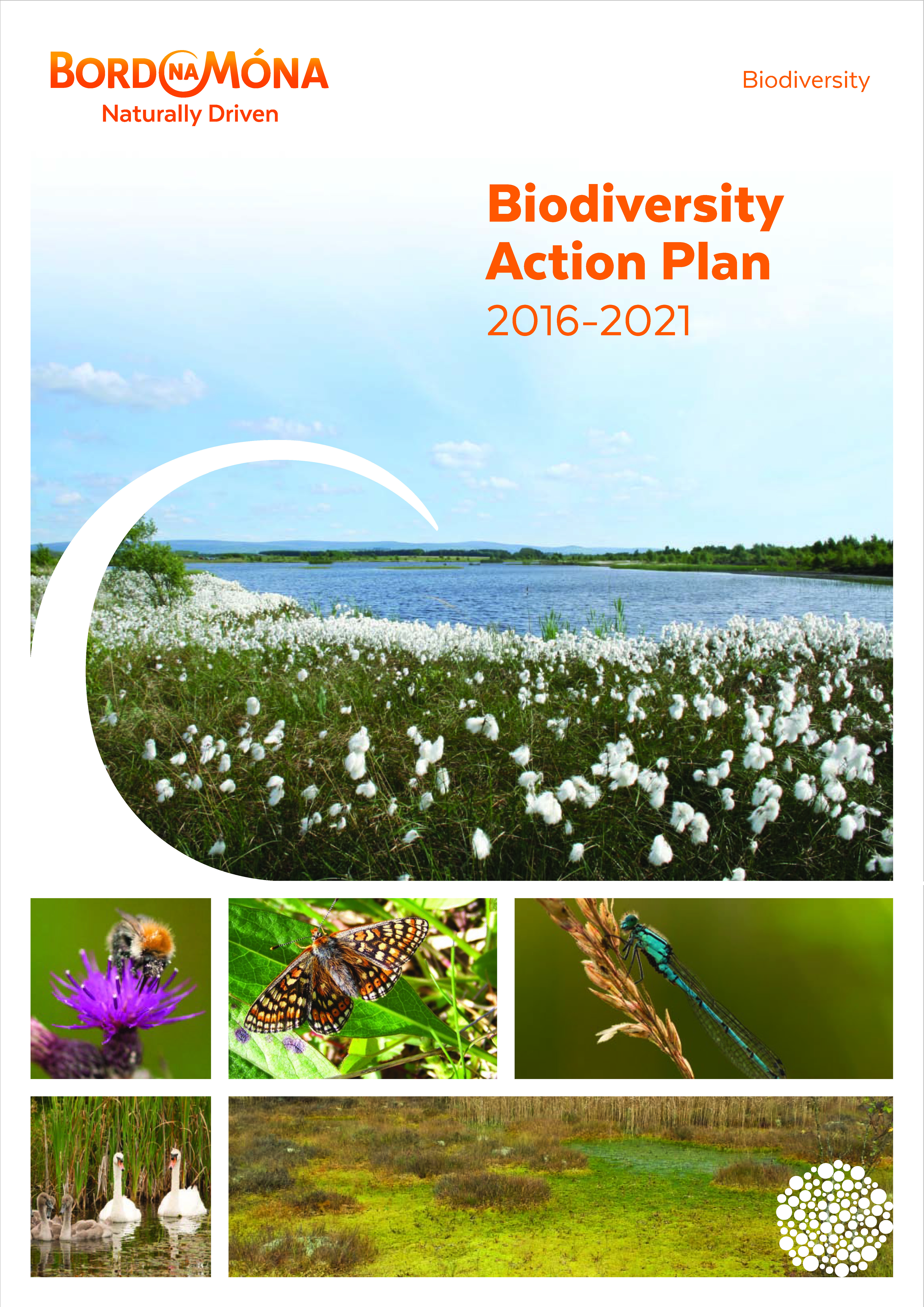
If you travel through the Irish midlands, you will eventually come across Bord na Móna peat production bogs. These areas […]
Read More
The terms ‘nature’ and ‘biodiversity’ are interchangeable. Human beings are an intrinsic part of biodiversity and interact with it on […]
Read More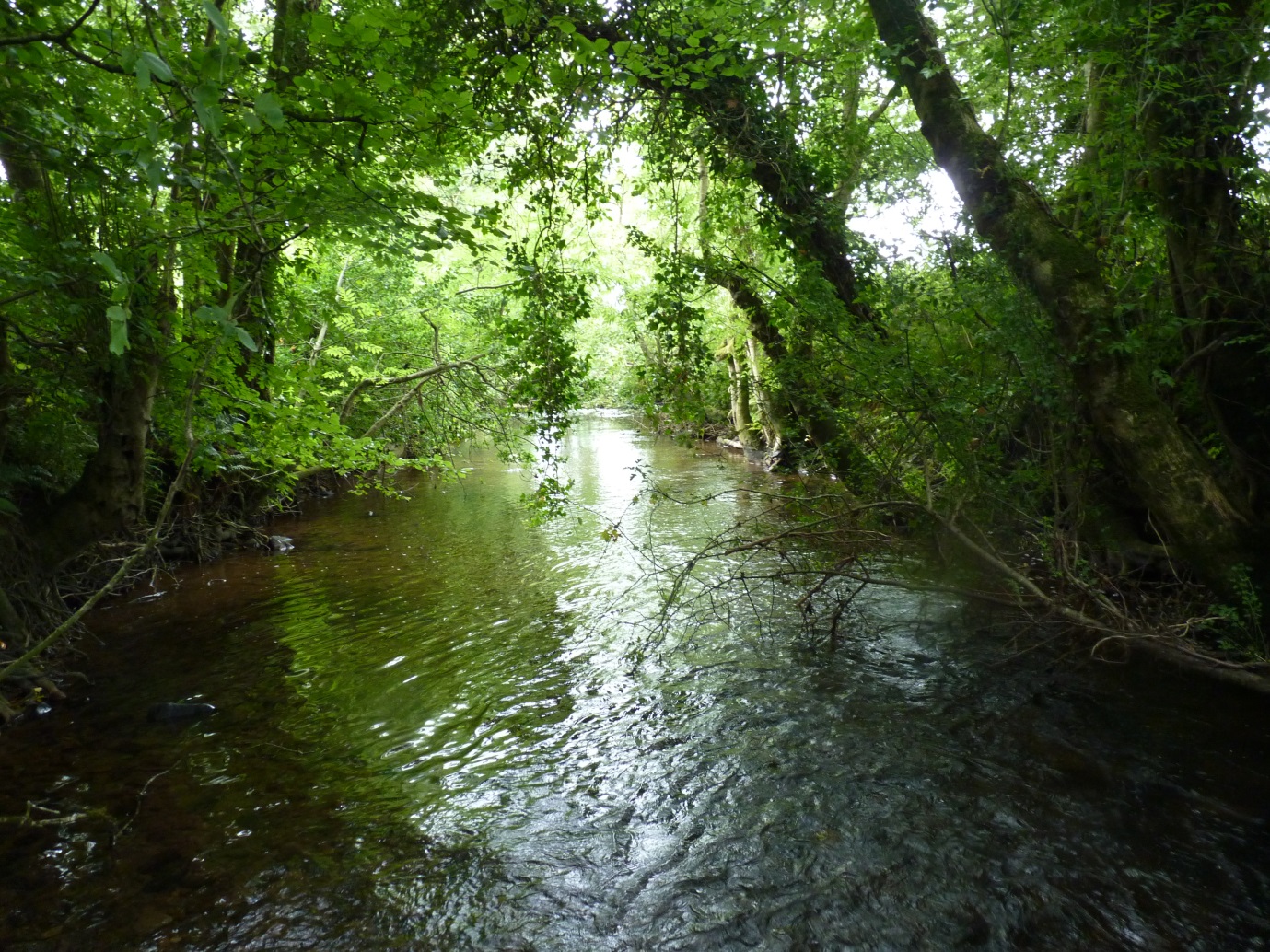
Achieving successful management of our water and biodiversity resources in the context of both the Food Harvest 2020 strategy and […]
Read More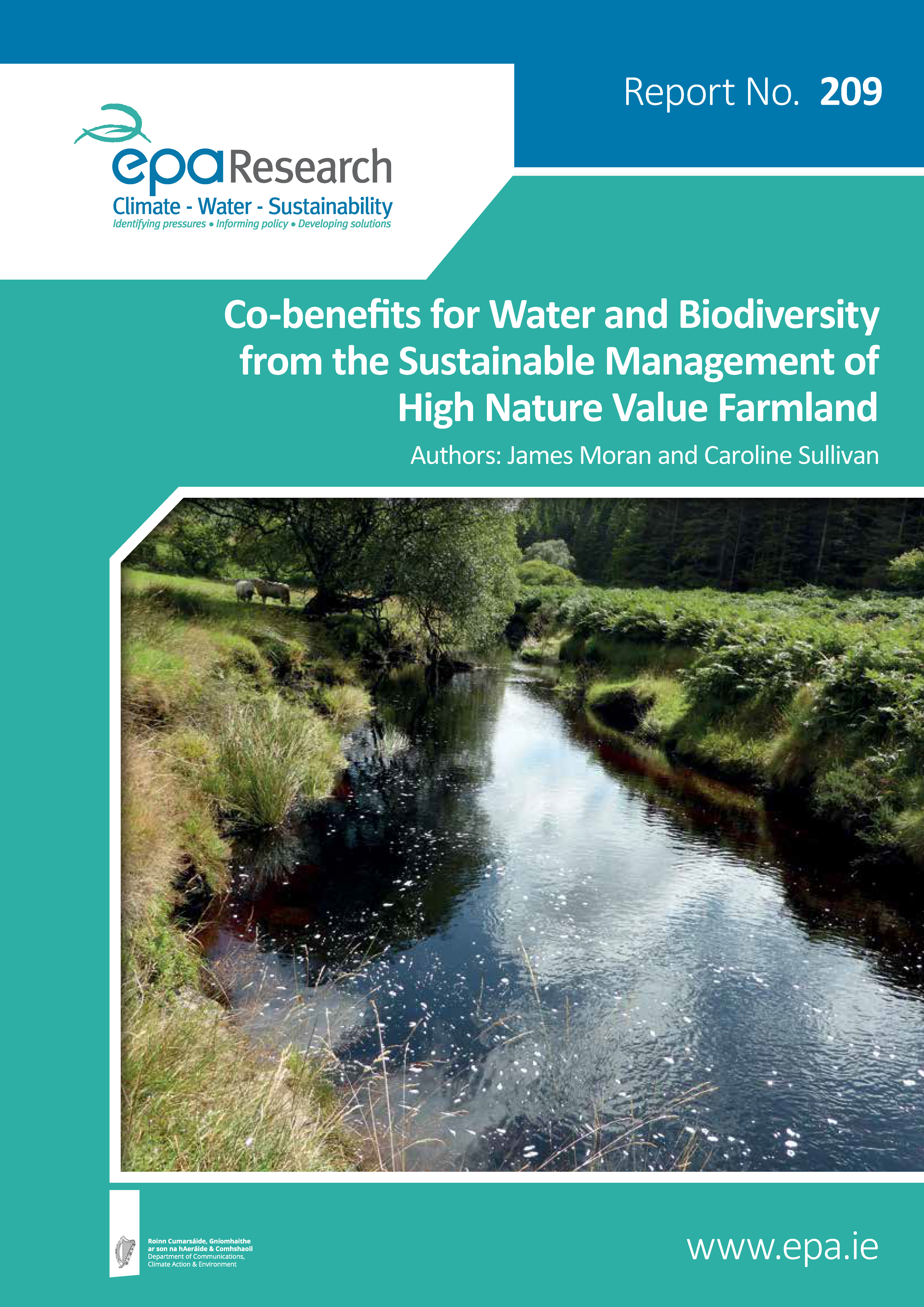
Agriculture systems in Europe range from very intensive production on fertile land with high inputs to very extensive High Nature […]
Read More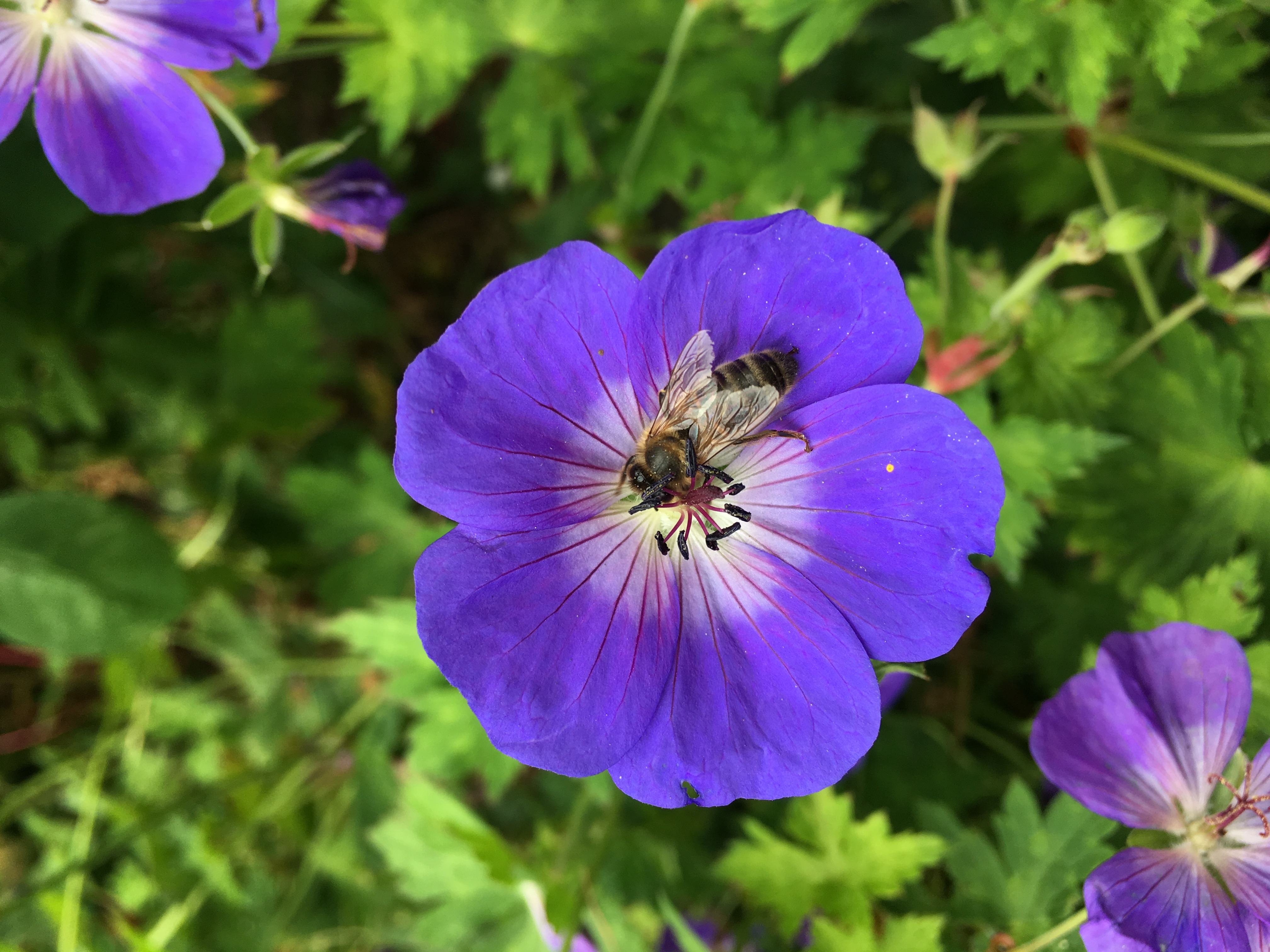
Securing the National Apple Collection with Shankill Tidy Towns and UCD On a clear, cold February morning, several members of […]
Read MoreQuite simply, everyone in Ireland has a role to play. This can be from something as simple as making sure you don’t pollute your local stream, or a local community working together to establish a Rivers Trust to enhance the rivers and lakes in their area, to a Government Department or Agency helping a Minister implement a new policy to help protect and enhance all our water bodies.
This website has been developed and is maintained by the Environmental Protection Agency, and is a collaboration between the Department of Housing, Planning and Local Government, the Environmental Protection Agency, and the Local Authority Waters Programme.

The Local Authority Waters Programme coordinates the efforts of local authorities and other public bodies in the implementation of the River Basin Management Plan, and supports local community and stakeholder involvement in managing our natural waters, for everyone’s benefit.
The EPA is responsible for coordinating the monitoring, assessment and reporting on the status of our 4,842 water bodies, looking at trends and changes, determining which waterbodies are at risk and what could be causing this, and drafting environmental objectives for each.

The Department is responsible for making sure that the right policies, regulations and resources are in place to implement the Water Framework Directive, and developing a River Basin Management Plan and Programme of Measures to protect and restore our waters.