To celebrate World Wetlands Day and 50 years since the…
Celebrate World Wetlands Day on 2 February 2026
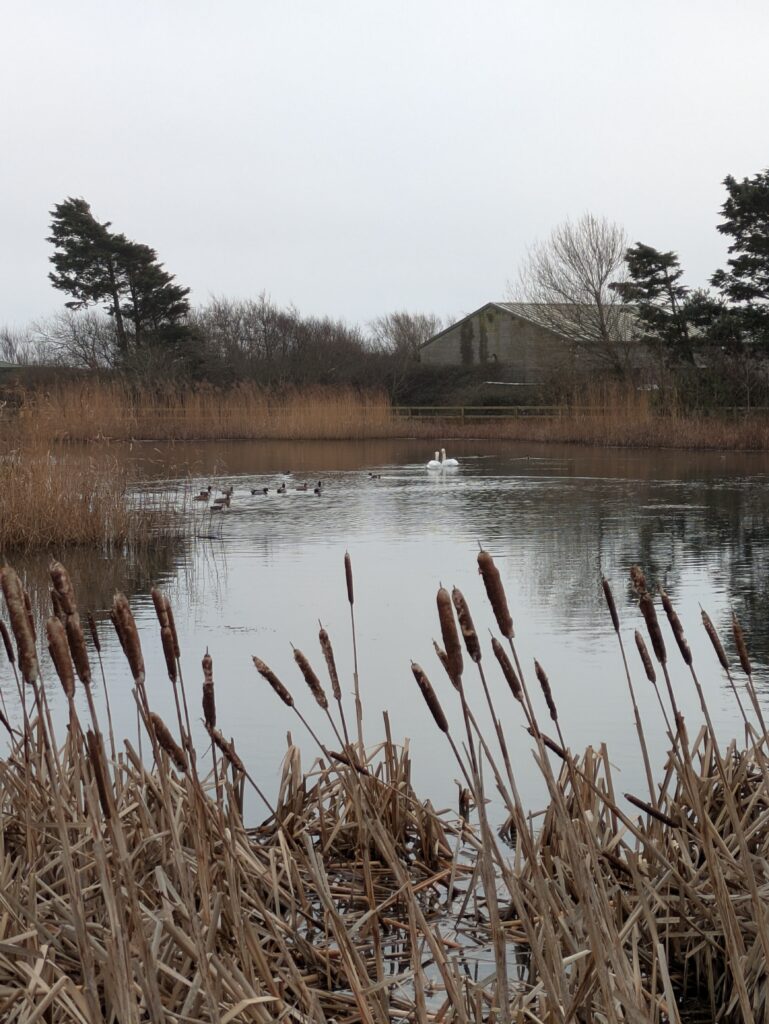
World Wetlands Day takes place every year on 2 February. It is a chance to recognise the vital role that wetlands play in supporting Ireland’s landscapes, wildlife, and communities. Ireland’s wetlands are among our most distinctive natural features, and they continue to provide essential services for people and nature.
What are wetlands?
A wetland is an area of land that is saturated with water either permanently or seasonally, and where the water table is near or at the surface (Home – Irish Ramsar Wetlands Committee). In Ireland, they include bogs, fens, marshes, wet grasslands, turloughs, and wet woodlands. These habitats vary widely, but they all depend on the interaction between water, soil and plant life, creating rich ecosystems that support many species.
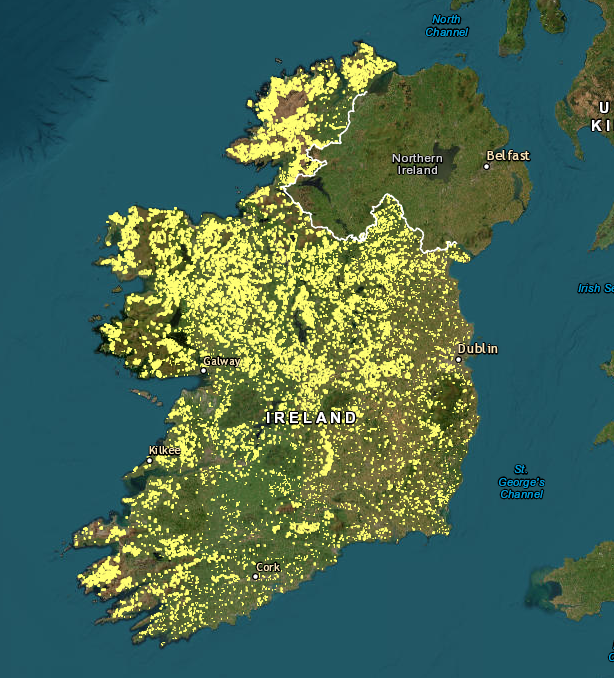
Map of Irish wetlands
If you would like to explore where wetlands occur across the country, Wetland Surveys Ireland provide an online Map of Irish Wetlands. The online map is a free public resource that anyone can use. To explore your local wetlands, simply zoom into your area of interest or search for a site by name.
Why wetlands matter
Healthy wetlands provide a range of important benefits, including:
- Supporting biodiversity, offering habitat for birds, amphibians, invertebrates, and specialised plant species.
- Improving water quality, filtering nutrients and sediments before they reach rivers, lakes and estuaries.
- Reducing flood risk, storing water during heavy rainfall and releasing it slowly.
- Storing carbon, especially in peatlands, which hold centuries of accumulated organic material.
- Providing cultural and recreational value, from walking and birdwatching to heritage and community projects.
World Wetlands Day, 2026
World Wetlands Day provides an opportunity for us to reflect on the important role that wetlands play in our environment and the steps we can take to protect them. In the Republic of Ireland, wetlands are an essential part of the country’s natural heritage and are crucial local ecosystems. By working to conserve these important ecosystems, we can ensure that future generations will be able to enjoy their many benefits.
Get involved
Whether through an organised event or a quiet walk, visiting a wetland is one of the best ways to appreciate these remarkable landscapes. This World Wetlands Day, take time to learn more about Ireland’s wetlands and the role they play in healthy catchments and resilient communities.
Explore a range of events taking place this World Wetlands Day
Learn more
There is a wealth of information available for anyone interested in exploring Ireland’s wetlands, their importance, and the work happening to protect them:
Irish Ramsar Wetlands Committee
IrishWetlands.ie brings together stories, maps, Ramsar site information, and educational resources to help people explore, appreciate, and protect these unique habitats.
Wetlandssurveys.ie
WetlandSurveys.ie brings together clear, accessible guides on Ireland’s wetland types, offering fact‑files, habitat explanations, and conservation insights that help people explore and understand peatlands, fens, marshes, swamps and other wetland habitats across the country.

Teagasc – A celebration of our wetlands
Teagasc provides clear, science‑based explanations of Ireland’s wetland types, their environmental importance, and the role they play in climate, biodiversity and water protection, along with insights linked to World Wetlands Day and national conservation efforts.
World Wetlands Day
WorldWetlandsDay.org brings together global resources, themes, educational materials and activities that help people learn about wetlands worldwide and take part in the annual celebration on 2 February.
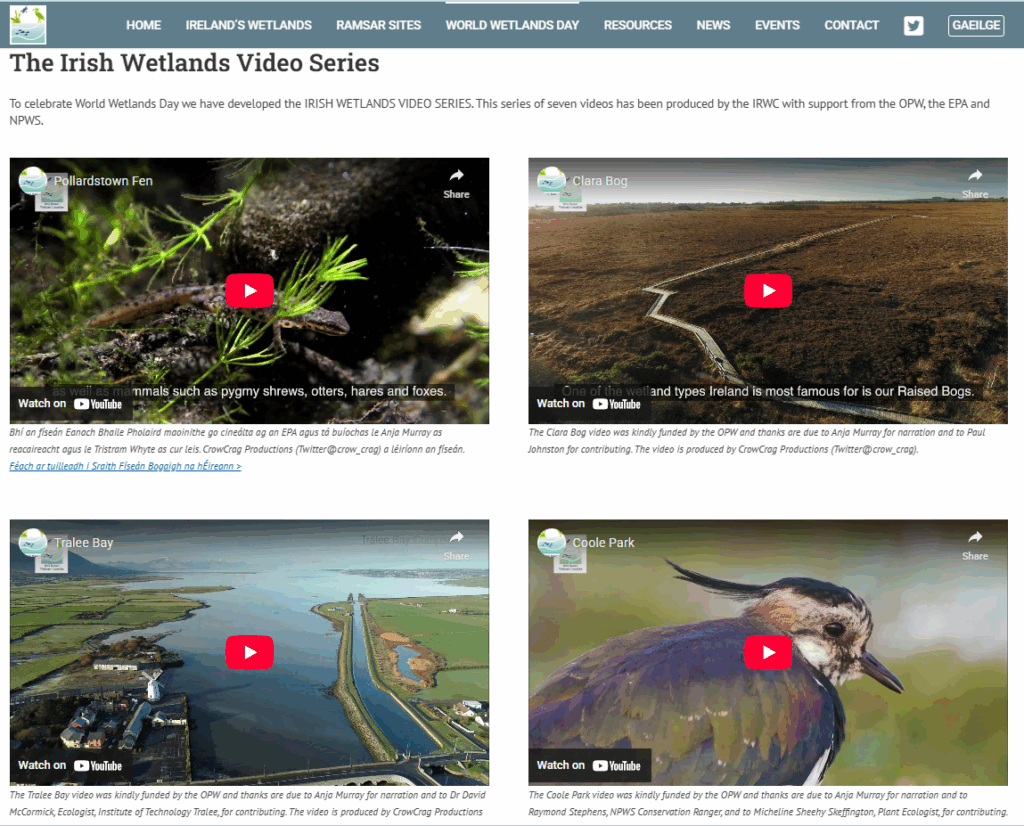
The Irish Wetlands Video Series
The Irish Wetlands Video Series is a series of seven videos which have been produced by the IRWC with support from the OPW, the EPA and NPWS.
You can also explore related stories on Catchments.ie, including past World Wetlands Day features, wetland restoration projects, and insights into Ireland’s unique bog and fen systems.
Discover your local wetlands
Whether through an organised event or a quiet walk, visiting a wetland is one of the best ways to appreciate these remarkable landscapes. This World Wetlands Day, take time to learn more about Ireland’s wetlands and the role they play in healthy catchments and resilient communities.
Read more
The wonder of wetlands: Coole Lough and Garryland Wood – Catchments.ie – Catchments.ie
The wonder of wetlands: Tralee Bay – Catchments.ie – Catchments.ie
Sustainable community engagement in wetlands – Catchments.ie – Catchments.ie
Tapestry of Light – Ireland’s bogs and wetlands as never seen before – Catchments.ie – Catchments.ie
Related Posts
About author