

On 13 May 2022 the EPA published the Bathing Water…
Dog fouling impacts on bathing water quality
Why dog business has no business being at the beach?

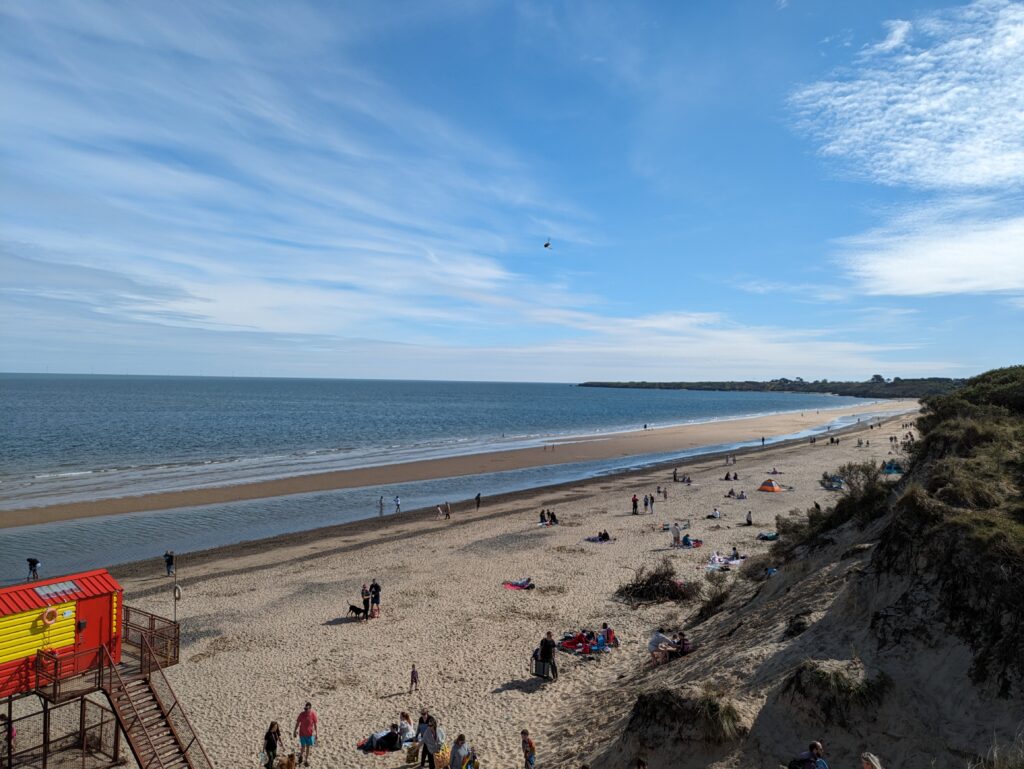
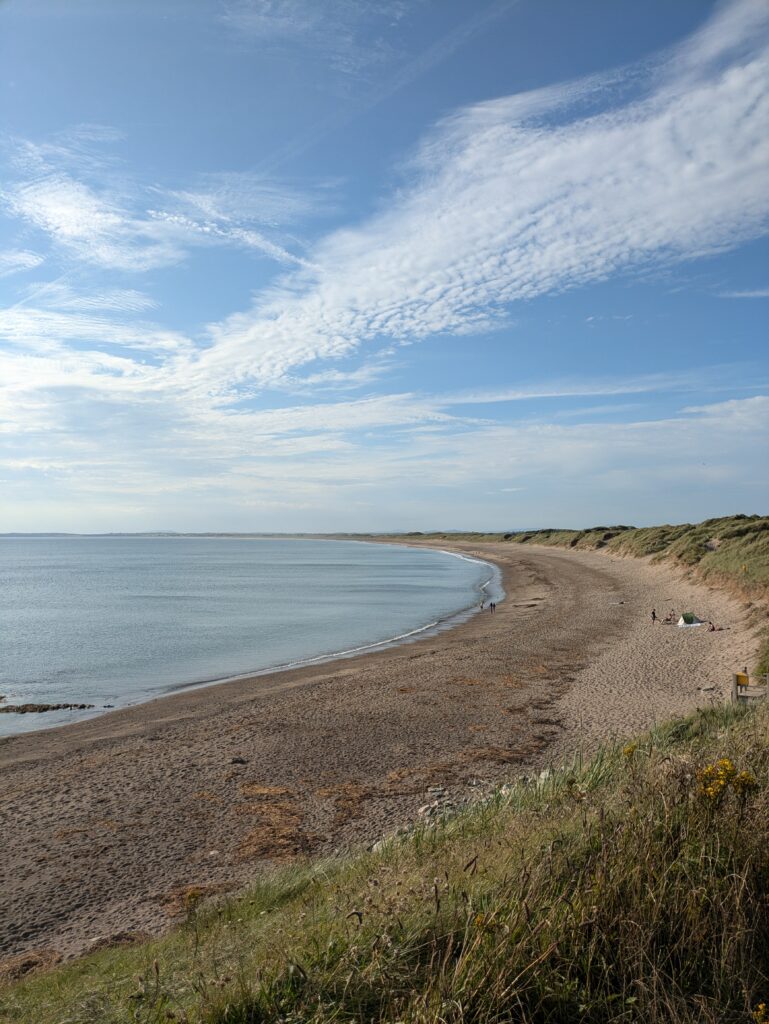
Around 1 in 4 households in Ireland own a dog – that’s over half a million of them and given that almost 80% of Ireland’s population lives within 20 miles of a beach there is a fair bet that many of those dogs will enjoy their day at the seaside.
Why Dog Restrictions Exist on Beaches
Many local authorities have in place restrictions or bye-laws on allowing dogs to access beaches particularly during the bathing season and at peak times for beach usage. This may seem a little harsh however the purpose is two-fold. In the first instance it is to reduce the nuisance risk caused by dogs being let off the leash and allowed to run free – especially when children are around. The second reason is related to the potential for dog fouling.
Most dog owners are responsible, bagging any dog poo and disposing of it in waste bins or dedicated poop bins which many local authorities have provided. Unfortunately this is not always the case. Despite the prospect of a fine of up to €150 under existing litter legislation, it is not uncommon to see some dog poo simply buried in the sand or hidden under stones with pet owners thinking perhaps, that it “eventually goes away” or is “too much work” to take it home or to the nearest poop bin.
The Hidden Risks of Dog Fouling
It may not seem like an important environmental concern, but dog poo can create much more damage than a mess on the bottom of your shoe. There are actually enough E.coli bacteria in one dog poo to contaminate an Olympic size swimming pool (around 3 million litres of water) to a level which would fail to meet the Excellent water quality standard. A single gram of dog poo can contain up to 23 million faecal coliform bacteria! Dog waste can also spread parasites such as hookworms, whipworms, roundworms, ringworms, tapeworms, Parvovirus and Salmonella.
Learn More
The Acclimatize 2017 – 2023 project looked into determining how much each of the pollution sources contribute to faecal pollution in Dublin Bay.
Beaches.ie provides up‑to‑date bathing water information. You can check your local bathing water, including whether dog restrictions apply during the bathing season and the current water quality status for over 200 Irish beaches.
People and wildlife and dogs – Irish Wildlife Trust
Related Posts

About author