
The EPA has published the results of the HYDROFOR research…
Recent EPA Research in the Area of Water Quality
The Environmental Protection Agency (EPA) has published a range of research reports in 2025 within the area of water quality and catchment management. These studies explore topics such as contaminants of emerging concern, pharmaceutical pollution, and approaches for conserving sensitive habitats like oligotrophic lakes and coastal lagoons.
Coastal Lagoons: Ecology and Restoration (CLEAR)
Lagoons of good conservation status are dominated by benthic macrophytes rather than phytoplankton blooms. Lady’s Island Lake in Wexford is one of Ireland’s largest lagoons, it is also one of our most eutrophic lagoons, this contrast with the 1980s when clear water was matched by a well-developed benthic sward of widgeon grass. This research conducted a suite of investigations into the reasons for the decline and compared the results with a less impacted saline lagoon. The results show severe degradation in Lady’s Island Lake with over 10 times higher chlorophyll a levels. Runoff of excessive nutrient inputs of nitrogen and possibly phosphorus from agriculture are identified as the main cause of eutrophication. A proposal to replace sea barrier breaching with a pipe also poses a serious risk to reducing lagoonal salinity. The research proposes a range of remedial measures to protect and improve the benthic quality of Lady’s Island Lake and other saline lagoons in Ireland.

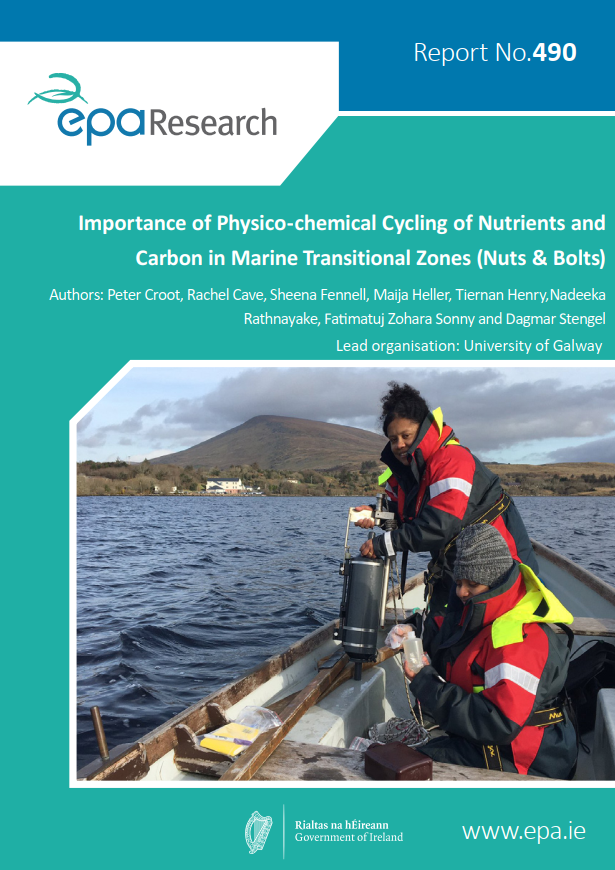
Importance of Physico-chemical Cycling of Nutrients and Carbon in Marine Transitional Zones (Nuts & Bolts)
Marine transitional zones (MTZs) serve as important material filters in the transfer of elements and chemical species from land to sea. Through physico-chemical and biological processes, nutrients and trace metals are either removed or chemically altered within MTZs, resulting in a reduced flux of materials to the coastal zone. This research, led by a team from the University of Galway, aims to enhance our understanding of the impact of multiple environmental stressors on Irish MTZs. The study involves biogeochemical and bio-optical investigations at four characteristically different sites: the Shannon Estuary, Kinvara Bay, Lough Furnace, and Galway Bay. New data generated from this research will improve our ability to predict and model the effects of climate change and other anthropogenic stressors on good environmental status of MTZs. Additionally, the study provides essential environmental information to support decision-making related to the management and governance of Irish MTZs.
Biological Tools to Measure the Impact of Flow on Ecology in Irish Rivers
Researchers from Atlantic Technological University, examined the use of biomonitoring tools (called hydroecological indices) for measuring the effects of changes in flow on biota (species) in Irish Rivers. Human driven factors like climate change, water abstraction and instream barriers can alter river flows, thereby having negative impacts on river biota. It is important to be able to monitor and mitigate such impacts. Showing clear links between flow changes and ecological conditions, this research successfully adapted two existing macroinvertebrate indexes and developed a new macrophyte index for use in Irish rivers, further research is needed to test the overall performance of the later. Findings include recommending the use of hydroecological monitoring tools in national biological monitoring programmes to help address national policy, including the Water Action Plan 2024 and the Water Environment (Abstractions and Associated Impoundments) Act 2022.

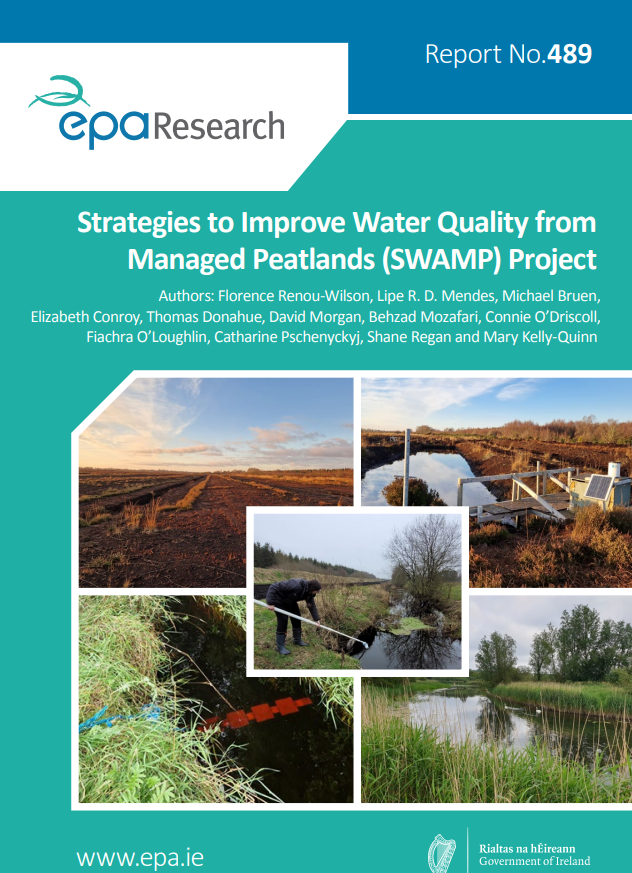
Strategies to Improve Water Quality from Managed Peatlands (SWAMP)
The SWAMP research project aimed to address key knowledge gaps about water quality degradation in Ireland’s peatland areas. This degradation is caused by decades of drainage for industrial and domestic peat extraction. The project reveals how long-term drainage for peat extraction and other land uses have negatively impacted Ireland’s rivers and streams. Drained peatlands have leached harmful nutrients, acids, and carbon-rich water into these water bodies. The research focuses on identifying pollution hotspots, measuring the effects of peat soil drainage on water chemistry and aquatic biodiversity, assessing pollution prevention measures, and developing better hydrological models to predict the response of peatlands to drainage and restoration.
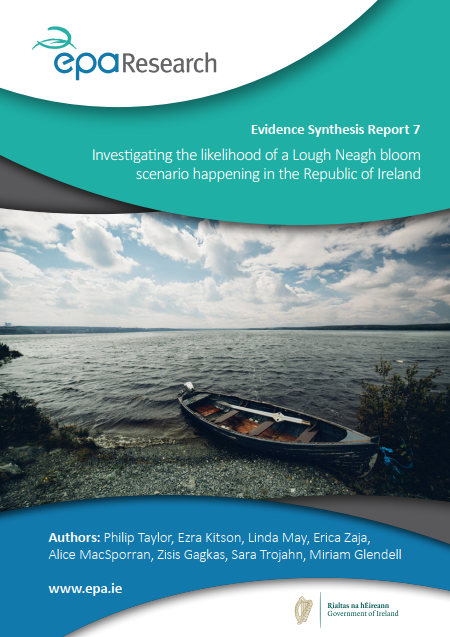
Evidence Synthesis Report 7: Investigating the Likelihood of a Lough Neagh Bloom Scenario Happening in Ireland
This study reviewed the factors that contributed to the harmful algal bloom (HAB) event in Lough Neagh, Northern Ireland, in 2023 and assessed the potential for similar events in other nutrient-enriched and nationally important lakes in Ireland. Gaining a better understanding of how all these factors are likely to affect the risks of lakes in Ireland developing the type of prolonged HAB event that has been witnessed at Lough Neagh is vital for protecting habitats and water security into the future. HABs negatively affect the ecology of a lake, as well as human and animal health, making these events particularly relevant to lakes in Ireland that are protected under the Water Framework Directive, the Drinking Water Directive, the Bathing Water Directive and the Habitats Directive
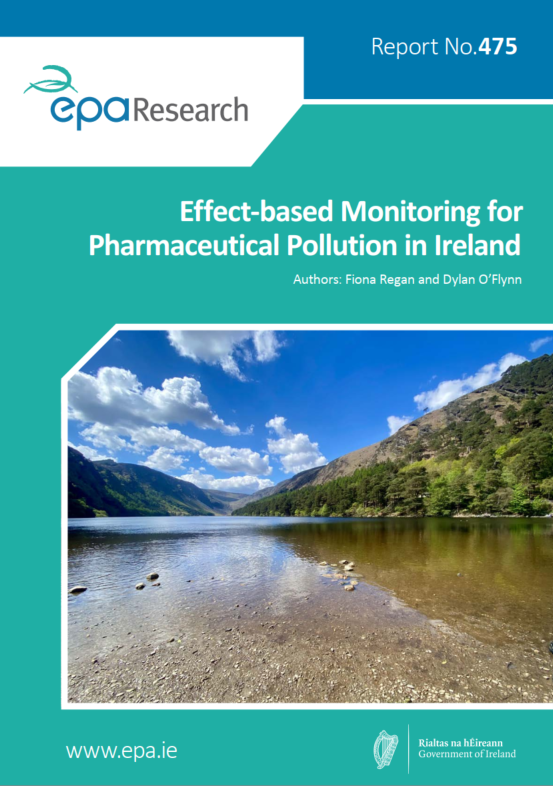
Effect-based Monitoring for Pharmaceutical Pollution in Ireland
This research addressed the significant societal and environmental risks posed by active pharmaceutical ingredients (APIs) in water sources. Even at low concentrations these can affect wildlife and potentially humans. The report identifies the main sources of APIs and reveals that certain pharmaceutical compounds are consistently present at measurable concentrations, emphasising the importance of monitoring near waste water treatment plants and in surface waters both upstream and downstream. In addition, the project aimed to assess the effectiveness of ecotoxicology tests in determining the chronic effects of pharmaceuticals and measure toxicity, or modes of action using a battery of bioassays on individual pharmaceutical compounds and mixtures. Using this comprehensive approach, the research provides a deeper understanding of pharmaceutical pollution to inform strategies to mitigate its impact on the environment and public health.
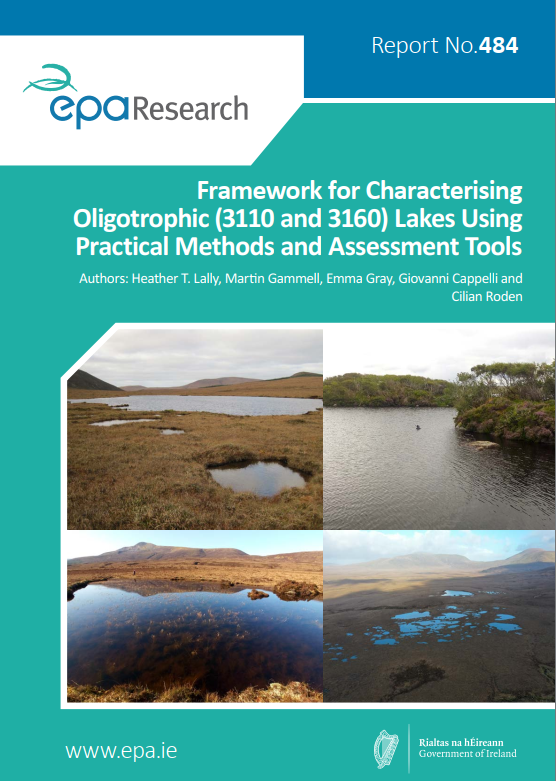
Framework for Characterising Oligotrophic (3110 and 3160) Lakes Using Practical Methods and Assessment Tools
Oligotrophic lake habitats, which are characterised by low accumulation of dissolved nutrient salts are protected freshwater habitats in Ireland. These habitats support limited life forms, mainly algae and macroinvertebrates. This research report, from the “Peat Lakes” project, looks at the potential of these organisms to help in characterising and conserving oligotrophic lakes using practical methods and assessment tools. It assesses and provides findings on water chemistry and data from plant communities, including macrophytes, algal communities (including desmids), and invertebrate communities from 24 water bodies within Atlantic blanket bog landscapes in the west of Ireland. The report makes several recommendations and provides relevant stakeholders from state agencies with important information for the conservation of small water bodies (area ≤ 0.01 km²), to support the monitoring of favourable conservation conditions in oligotrophic lake habitats, under the EU Habitats Directive.
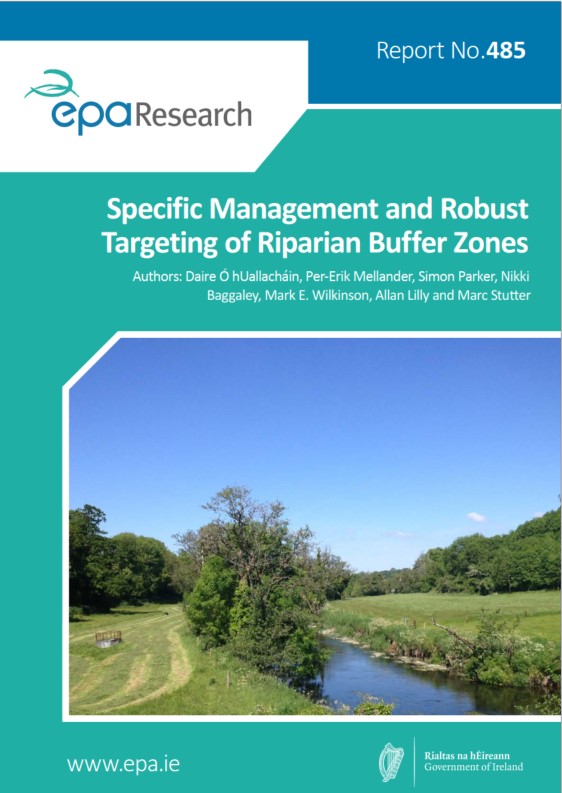
Specific Management and Robust Targeting of Riparian Buffer Zones
With many of Ireland’s surface waters classed as less than the minimum of “good ecological status” under the Water Framework Directive, this research project looked to support optimal targeting and management of riparian margins, in agricultural contexts, for effective management of rivers in Ireland. It delivers a riparian measures database summarising alternative measures for Irish conditions, evaluating their effectiveness and wider ecosystem service benefits. Core to the research is the “Right Measure, Right Place” concept, a key tenet of Ireland’s River Basin Management Plan (2022–2027). Tools were developed to identify locations for maximum impact, using landscape context to prioritise 16 identified mitigation measures. The project aims to help policymakers and other research projects expand beyond traditional approaches to achieve water quality objectives under policies like the Common Agricultural Policy and Water Framework Directive.
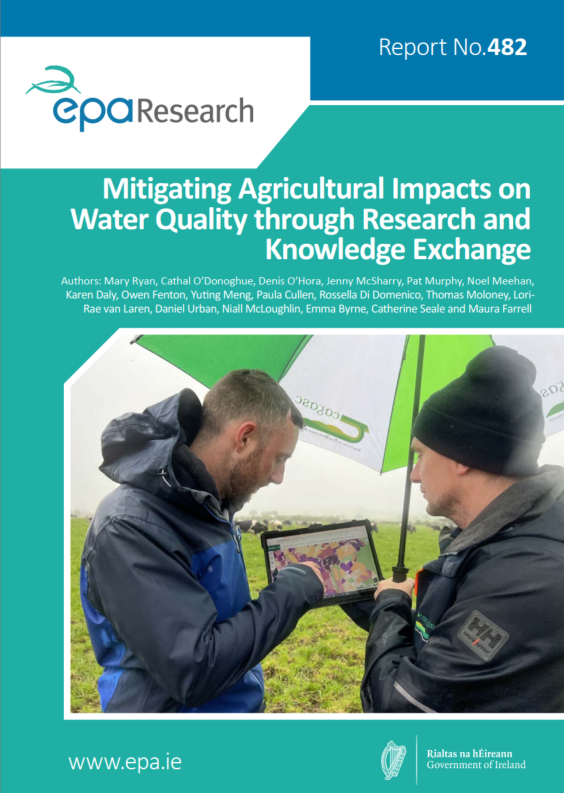
Mitigating Agricultural Impacts on Water Quality through Research and Knowledge Exchange
This research report explores improving water quality affected by agricultural practices using a multi-disciplinary approach .It incorporated systems analysis of actors and incentives, spatial analysis on the effects of rural activity, analysis of factors impacting measure adoptions, and socio-economic and behavioural psychology studies to identify drivers of pro-environmental activity. Key findings highlight the necessity of localised solutions, the importance of farm advisors and local farming ‘champions’, collaboration among stakeholders, and providing knowledge and resources to farmers. It also finds that trust between advisors and farmers, upskilling advisors, and understanding the direct and indirect barriers to farm-level behaviour change are seen as crucial for fostering sustainable agricultural practices. The researchers highlights the importance of incentives and behavioural interventions to promote pro-environmental practices.
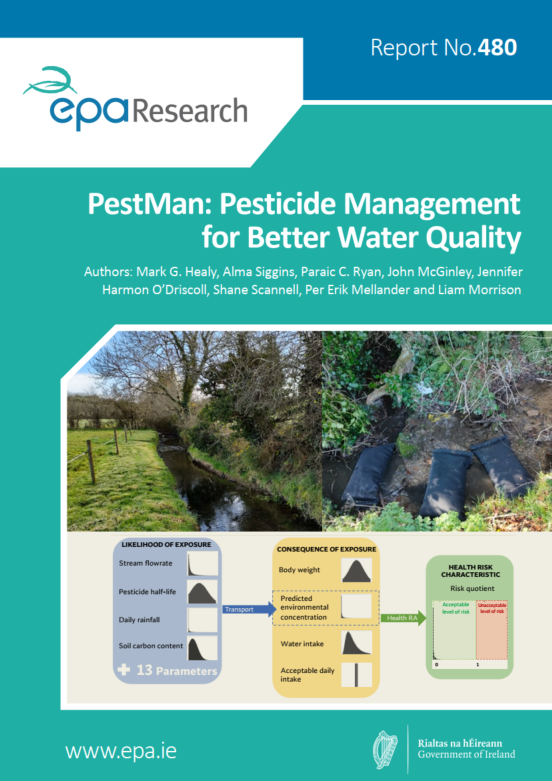
PestMan: Pesticide Management for Better Water Quality
With world populations increasing the use of pesticides has also increased to bolster crop yields and cater for global food demand. Pesticides released unintentionally from both the agricultural and urban sectors have the potential to enter non-target ecosystems and pose a threat to the environment and human health. The PestMan research project used a multidisciplinary approach, integrating soil processes, molecular biology, engineering, and quantitative risk assessment methodologies to address the environmental and human health impacts of pesticides. It sets out to understand the drivers and pressures of pesticide use, study their fate and persistence, evaluate their risks, and develop a cost-effective, passive remediation method to mitigate these issues. The research developed a multidisciplinary framework to understand and mitigate the environmental and human health impacts of pesticides, focusing on their movement, persistence, risks, and effective remediation strategies
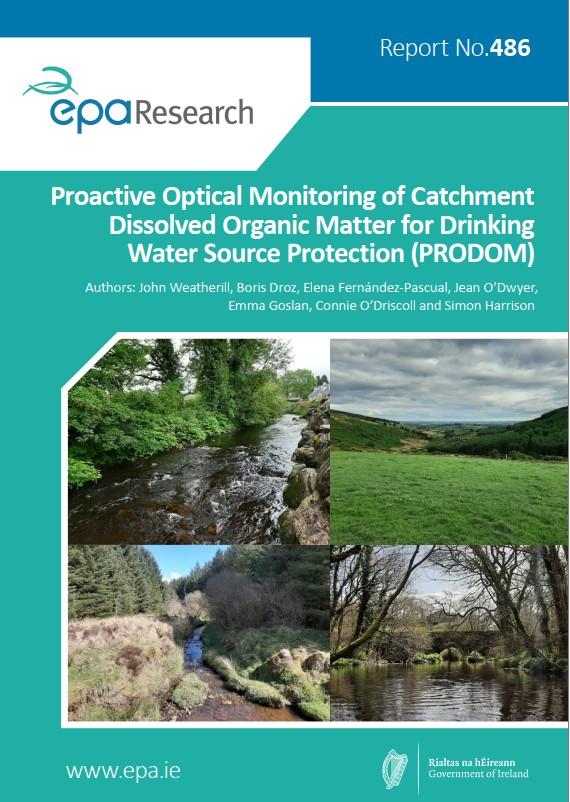
Proactive Optical Monitoring of Catchment Dissolved Organic Matter for Drinking Water Source Protection (PRODOM)
In Ireland, approximately 82% of public water supplies originate from surface water catchments. This water requires disinfection with chlorine to inactivate pathogens and prevent the spread of waterborne disease. The presence of dissolved organic matter (DOM) in source waters can lead to the formation of potentially carcinogenic disinfection by-products (DBPs), such as trihalomethanes (THM4), of which Ireland has the highest number of reported exceedances in the EU in recent years. This research conducted detailed field and laboratory investigation in the River Lee catchment (Cork, Ireland), supported by predictive modelling using machine learning techniques, to gain more insights in the role of optically active DOM in DBP formation and forecasting. It highlights the value of UV-visible spectroscopy as a cost-effective and non-destructive technology suitable for proactive management of DOM in source water, with a high potential for aiding real-time process control at treatment plants.
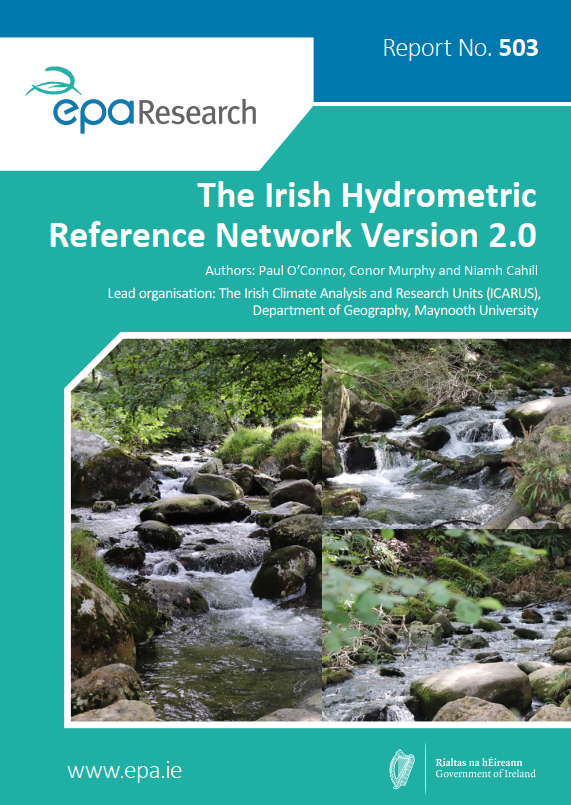
The Irish Hydrometric Reference Network Version 2.0
Hydrometric reference networks are crucial for tracking climate variability, hydrological modelling and extreme events. This research, led by a team in Maynooth University, enhanced the Irish Hydrometric Reference Network (IHRN) to better detect climate-driven changes in river flows across Ireland. Building on the EPA HydroDetect project, it adds a key tool for water management and addresses gaps in understanding floods, average flows and droughts. Findings show increasing high and mean flows in winter and decreasing low flows in spring and summer indicating greater flood and drought risks. Long-term reconstructions show stronger seasonal trends and the influence of the North Atlantic Oscillation. The updated IHRN dataset underscores the importance of hydrological modelling, flood risk management and climate resilience planning. The research recommends expanding the network to include groundwater and lakes with coordinated national oversight to ensure Ireland’s hydrological resilience.
Learn more
For the full range of EPA research publications in the area of water quality and catchment management, visit the EPA website: Water | Environmental Protection Agency
Related Posts
About author