
[vc_row][vc_column][vc_column_text]Mr. Eoghan Murphy T.D. Minister for Housing, Planning and Local…
A Guide for Community Groups Working with Water, Biodiversity and Climate Change
A new guide designed to help communities develop local environmental projects has been launched by Minister of State for Nature, Heritage and Biodiversity, Christopher O’Sullivan.
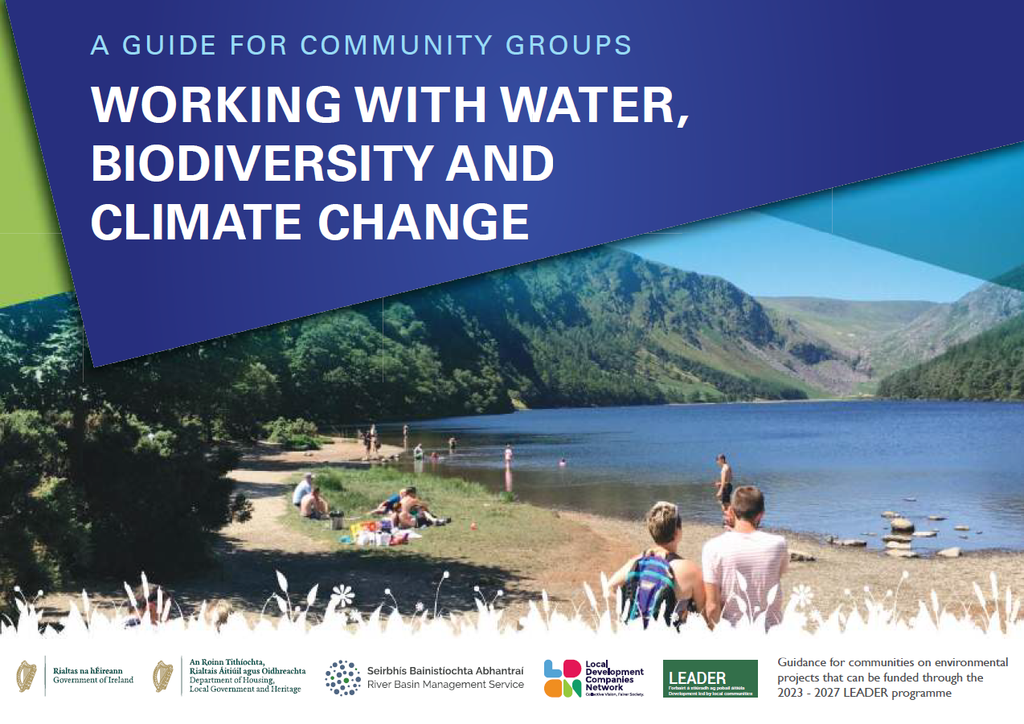
Developed by the River Basin Management Service in partnership with the Local Development Companies Network, Working with Water, Biodiversity and Climate provides practical guidance on a wide range of community-led initiatives that can help protect and enhance local water bodies, support biodiversity, build climate resilience and access funding opportunities through the LEADER Programme.
The guide highlights how communities can develop projects that deliver multiple benefits for local areas, including improved water quality, habitat restoration, flood resilience, citizen science, outdoor education and sustainable recreation. Importantly, the guide also outlines how environmental projects can be developed and supported specifically through LEADER funding, including training, feasibility studies, development plans and practical projects that deliver tangible benefits for local communities and wildlife.
Among the project ideas featured are:
- Development of local water body management plans
- Wetland creation and restoration
- River restoration and fish passage projects
- Nature-based solutions to address flooding and pollution
- Community ponds and outdoor biodiversity classrooms
- Citizen science initiatives focused on water quality and biodiversity
- Tree planting and riparian habitat enhancement
- Invasive species control and biosecurity planning
The guide emphasises that protecting water quality delivers wider benefits for communities, from supporting biodiversity and ecosystem health to enhancing recreation, tourism and quality of life. It also encourages communities to think beyond individual projects and take a catchment-based approach, recognising the connections between water, land, biodiversity and climate.
Commenting at the launch, Minister O’Sullivan said:
“Our local communities have an enormously important role to play in protecting Ireland’s natural environment. People know their local rivers, lakes, streams and landscapes better than anyone, and this publication provides them with practical ideas and guidance on how they can make a positive difference. Protecting water quality, restoring biodiversity and preparing for the impacts of climate change are interconnected challenges. We need to support communities to take action, and Local Development Companies provide an important vehicle to turn local ideas into meaningful environmental projects.”
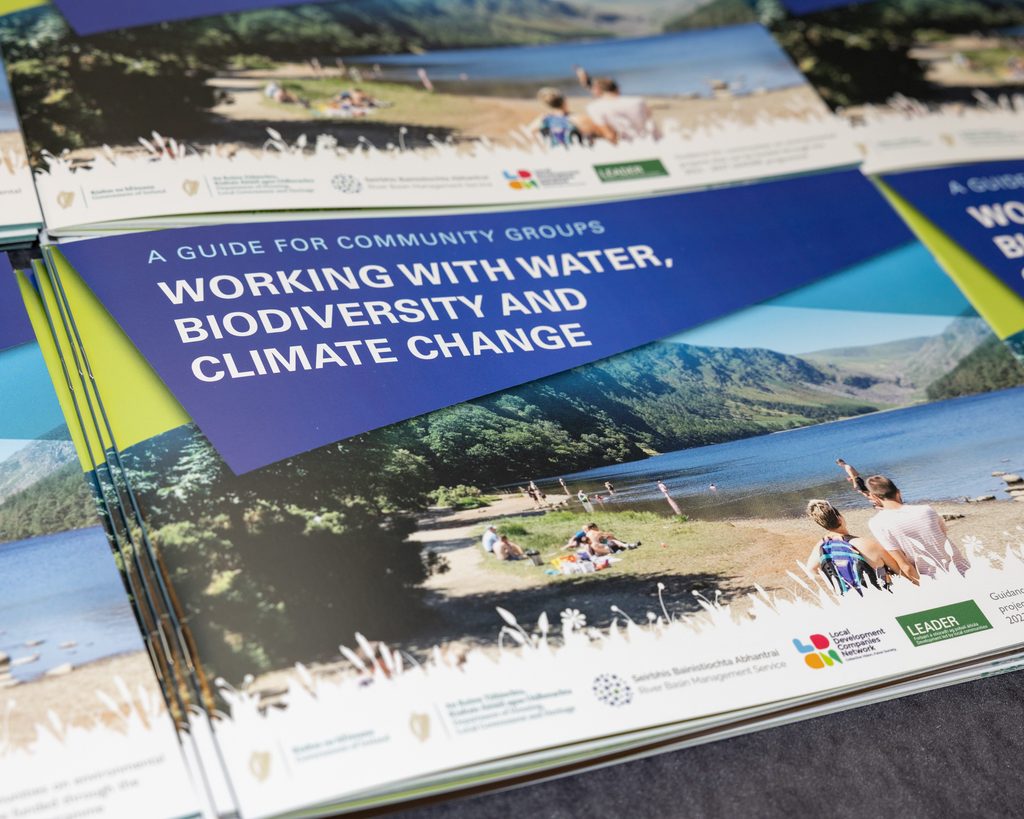

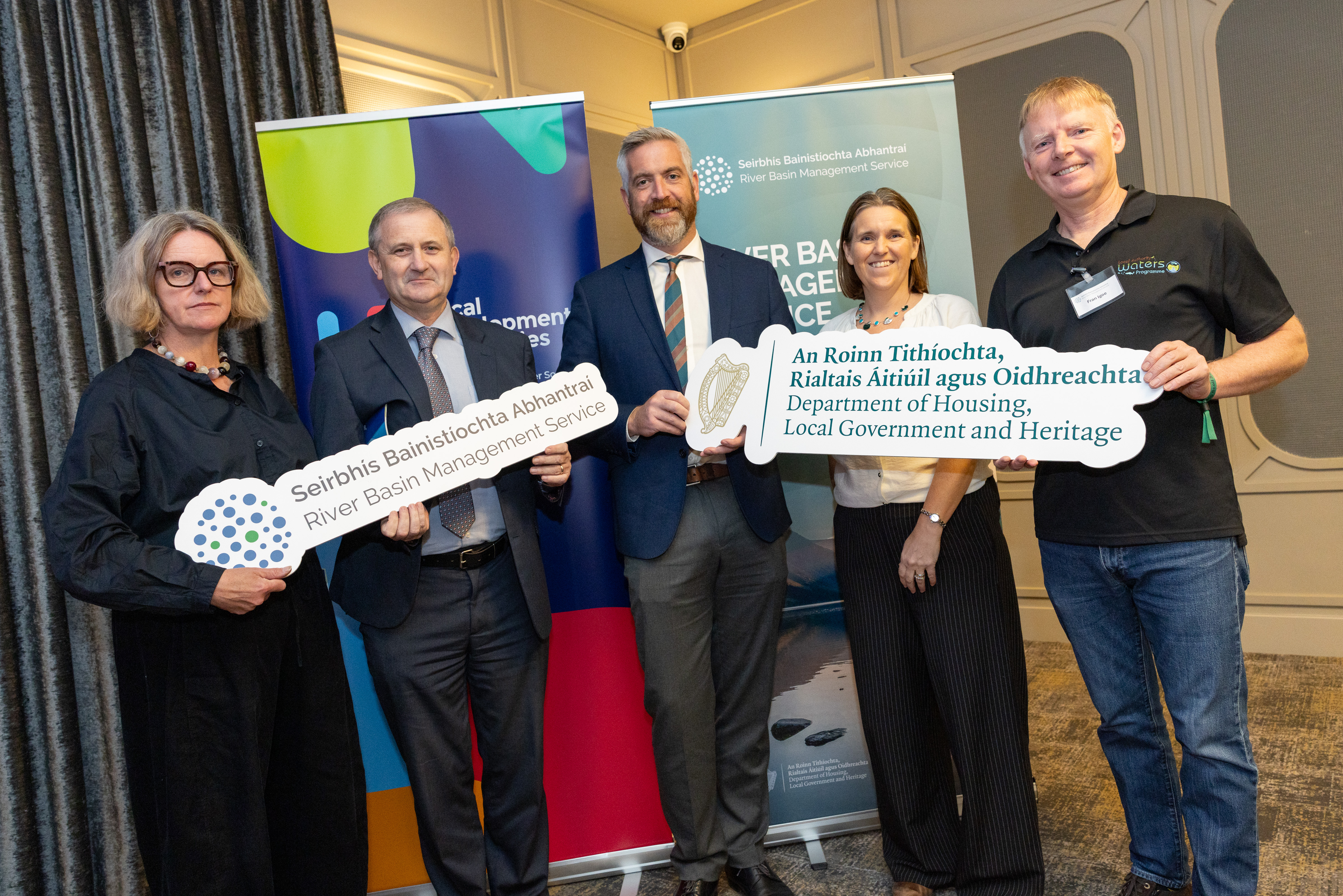
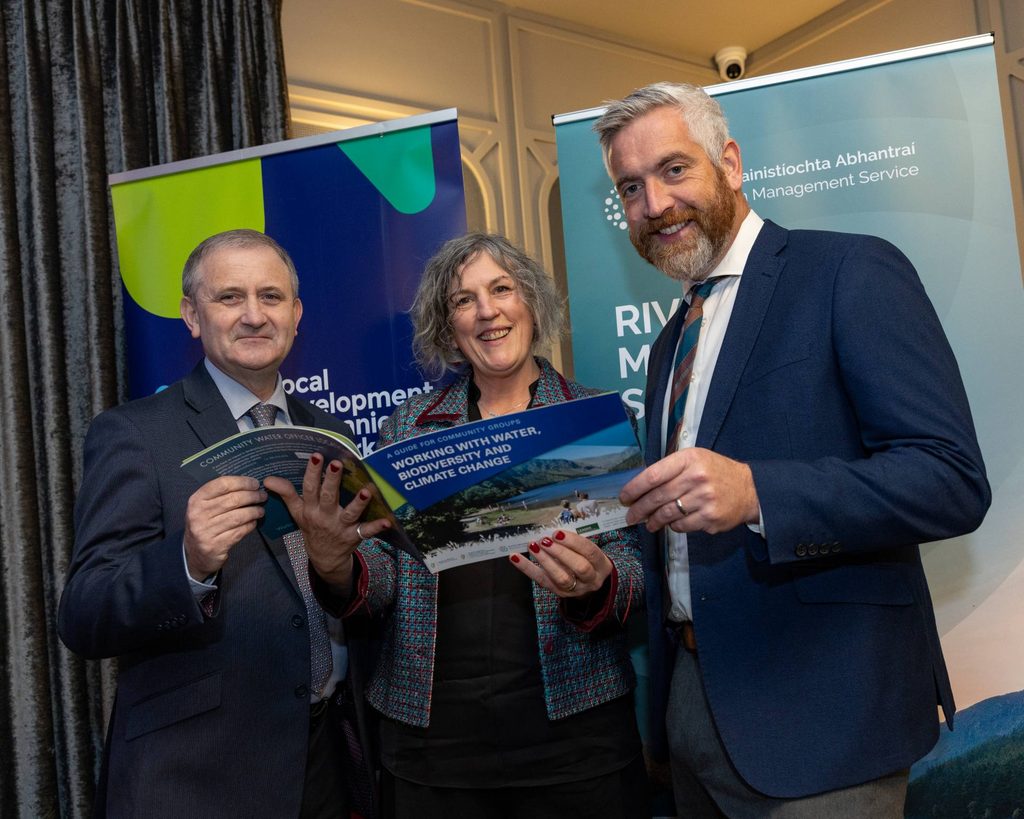
The guide was funded by the Department of Housing, Local Government and Heritage, and compiled by the River Basin Management Service with support from the Local Development Companies Network (LDCN) and the Department of Rural and Community Development and the Gaeltacht.
Learn More:
Related Posts
About author