

16 May 2024: The Environmental Protection Agency (EPA) has today published…
EPA publishes Bathing Water Quality in Ireland report for 2025
High bathing water quality maintained in 2025, despite increased pressure from heavy rainfall.
- Bathing water quality remained high in 2025, with 98 per cent of sites (150 of 153) meeting or exceeding the minimum required standard.
- 120 bathing sites (78 per cent) were classified as ‘Excellent’, down slightly from 122 in 2024.
- Just one bathing water in Ireland is now classified as ‘Poor’, down from two in 2024.
- Heavy rainfall events are becoming more frequent during the bathing season, with an increased risk of contamination from wastewater, urban and agricultural sources. Local authorities must urgently adopt climate‑resilient approaches to managing the pressures affecting bathing water quality.

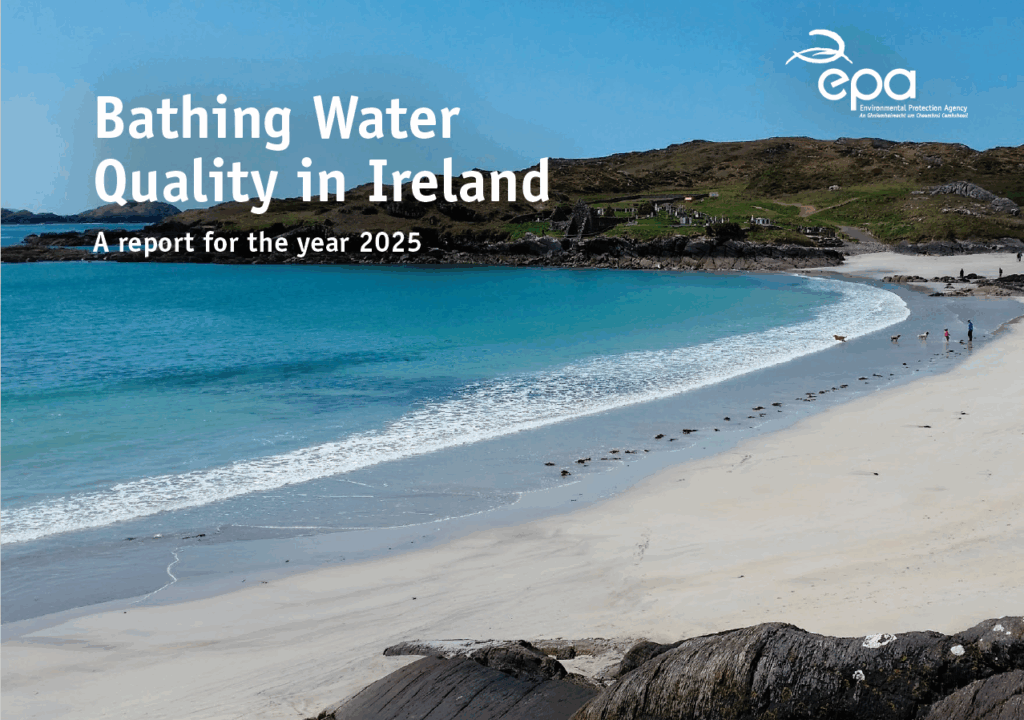
Bathing Water Quality in Ireland report 2025
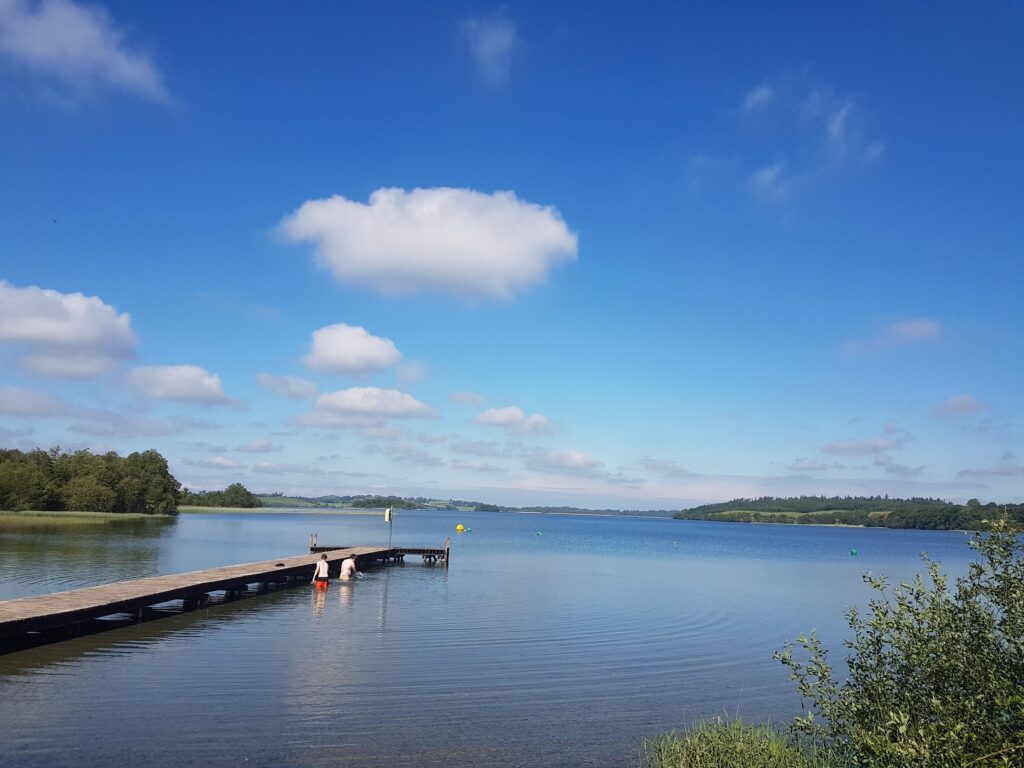
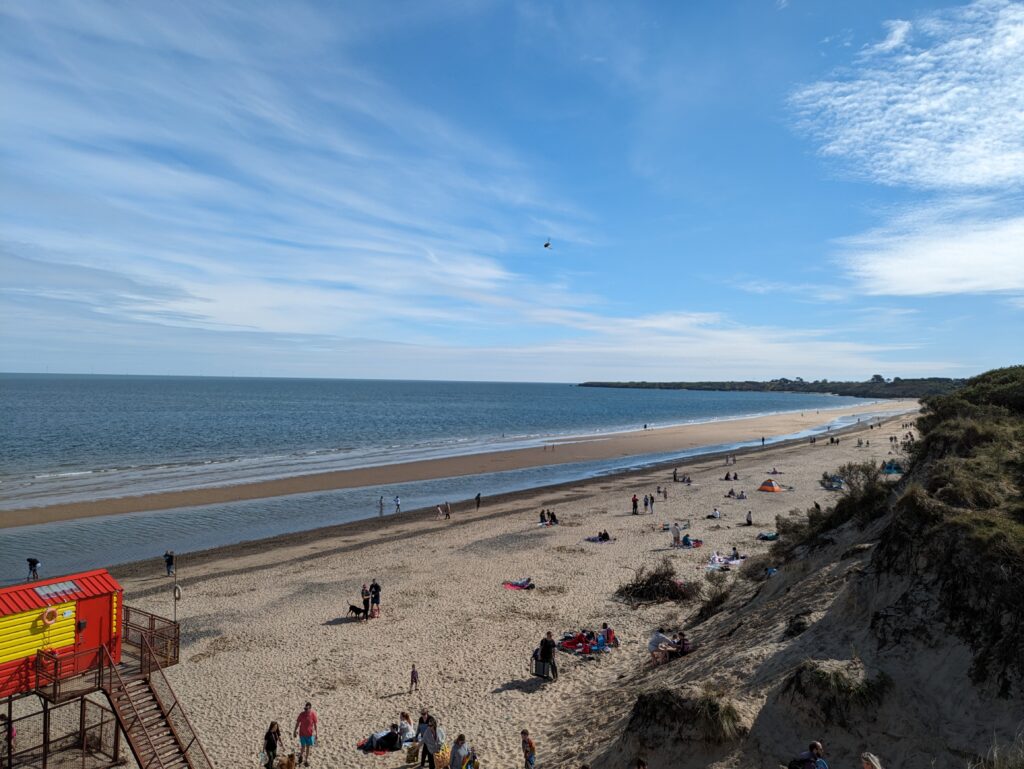
The Environmental Protection Agency (EPA) has published the Bathing Water Quality in Ireland report for 2025 which shows that water quality at most of Ireland’s bathing waters was of a high standard. 78 per cent of bathing sites have ‘Excellent’ water quality while 98 per cent meet or exceed the minimum standard of ‘Sufficient’.
Incidents arising from urban wastewater were the most frequently reported cause of bathing water issues by local authorities, leading to temporary beach closures and restrictions throughout the season. Runoff from agricultural land, dog fouling and misconnections (where wastewater from homes or businesses is wrongly connected to rainwater drains) also contributed to water quality issues.
Intense rainfall events occurred more frequently and across the entire bathing season in 2025, resulting in increased runoff from multiple sources. The number of bathing water warnings, issued prior to heavy rainfall and designed to protect bather’s health, nearly doubled in 2025.
Commenting on the report, Roni Hawe, Director of the EPA’s Office of Evidence and Assessment, said:
“We are pleased to report that bathing waters continued to achieve a high standard of quality nationally in 2025. However, the greater frequency of heavy rainfall events throughout the bathing season highlights an increased risk to people’s health when swimming after heavy rainfall. These conditions can result in short‑term pollution which must be effectively managed if current high standards are to be maintained into the future. Local authorities need to strengthen their understanding of rainfall‑related pressures and put appropriate, climate resilient measures in place to protect bather health”.
Identification of bathing waters
The ‘Poor’ classification at Dún Laoghaire Baths (Co. Dublin) was caused by wastewater overflows and dog fouling. Dún Laoghaire Rathdown County Council have produced a management plan which outlines actions to manage pressures and improve bathing water quality at this location. Targeted actions by Uisce Eireann and the Local Authorities at Lady’s bay, Buncrana (Co. Donegal) and Sandymount Strand (Co. Dublin) has led to improvements in bathing water quality for 2025. Actions included investigation of pollution sources and upgrades to waste water infrastructure at these two locations.
Two new bathing waters were officially identified in 2025: Belmullet Tidal Pool (Co. Mayo) and Dún Laoghaire Baths (Co. Dublin). Dún Laoghaire Baths received its first classification in 2025, while Belmullet Tidal Pool requires at least one more season of sampling before classification can be assigned.
Bathing Water Quality in Ireland 2025 infographic
Learn more

Throughout the bathing water season, water quality information and details of any incidents affecting bathing waters are displayed on the www.beaches.ie website. Some local authorities also carry out water quality monitoring outside the Bathing water season and where available, these data are also shared on beaches.ie for information purposes.
S.I. No. 79/2008 – Bathing Water Quality Regulations 2008
Glossary and key terms
Swimmers should remember to follow the 48 hour rule which is to avoid contact with open water for at least 48 hours after heavy rainfall to protect health. The report Bathing Water Quality in Ireland 2025 is now available on the EPA website.
Bathing season: The current designated bathing season, determined by local authorities for all beaches in Ireland is from 1st June to 15th September.
Identified Bathing Waters: This is the legal term used for those beaches and lakes managed under the Bathing Water Regulations. Local authorities are responsible for identifying bathing waters within their area annually. The 153 identified bathing waters are either coastal or inland waters widely used by the public for bathing and are monitored, managed and assessed under the requirements of the 2008 Bathing Water Quality Regulations.
Classification: Bathing areas are classified in one of four categories namely ‘Excellent’, ‘Good’, ‘Sufficient’ or ‘Poor’. The minimum mandatory requirement is for ‘Sufficient’ quality. Any waters graded as ‘Poor’ require that management measures be put in place to identify and eliminate the sources of pollution.
Assessment: Bathing waters are classified based on a statistical assessment of monitoring data over a four-year period.
Bathing at sites classified as having ‘Poor’ water quality: A ‘Poor’ classification means that there is a risk of microbiological pollution occurring which could potentially cause illness, such as skin rashes or gastric upset. Under the Bathing Water Regulations, local authorities are required to put in place notifications for the entire bathing season advising the public against bathing. This could include a bathing prohibition if a serious pollution incident occurs.
Pollution incident: This is an incident that has the potential to cause the bathing water quality to deteriorate, for example when there is a stormwater overflow from a wastewater treatment plant, or when sampling identifies pollution. A precautionary approach is taken when reporting incidents, meaning that not all incidents result in a deterioration in the bathing water quality. This approach is taken to protect bathers’ health. When a pollution incident occurs, local authorities apply a swimming restriction at the bathing water. The restriction stays in place until water sampling shows that the water quality has returned to normal.
Prior Warning: Prior Warnings (also known as ‘Short-Term Pollution’) are used in a precautionary approach to protect bathers’ health by advising the public of possible short-term pollution events which usually last for only a few days at most. These are used by many local authorities when heavy rainfall is forecast.
Related Posts
About author